Inertia Starter
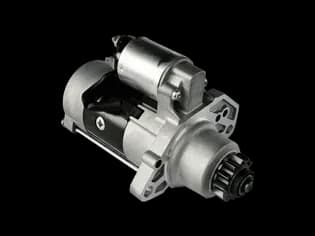
A traditional starter design that uses inertia to engage the pinion with the flywheel before the engine fires.
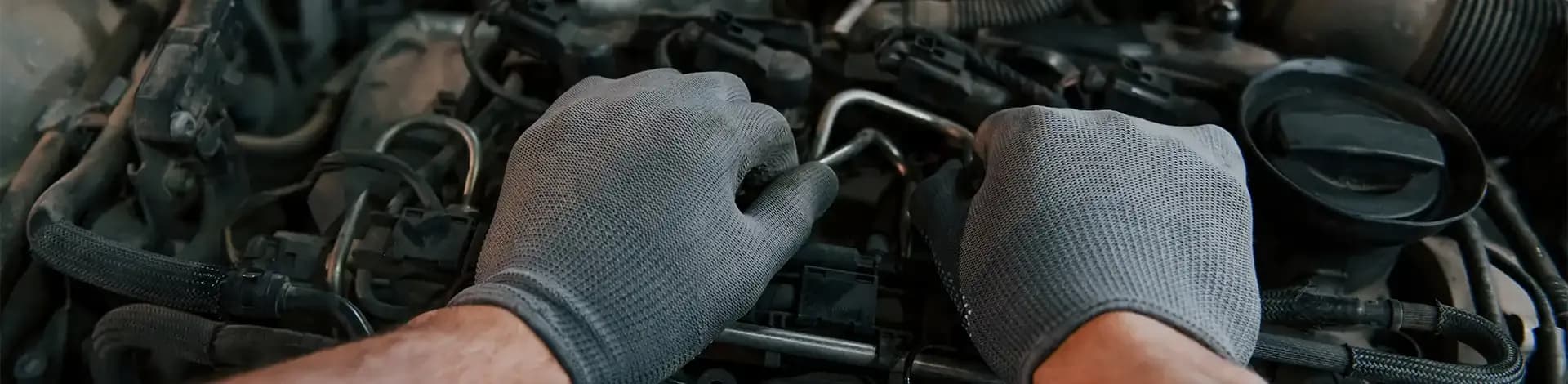
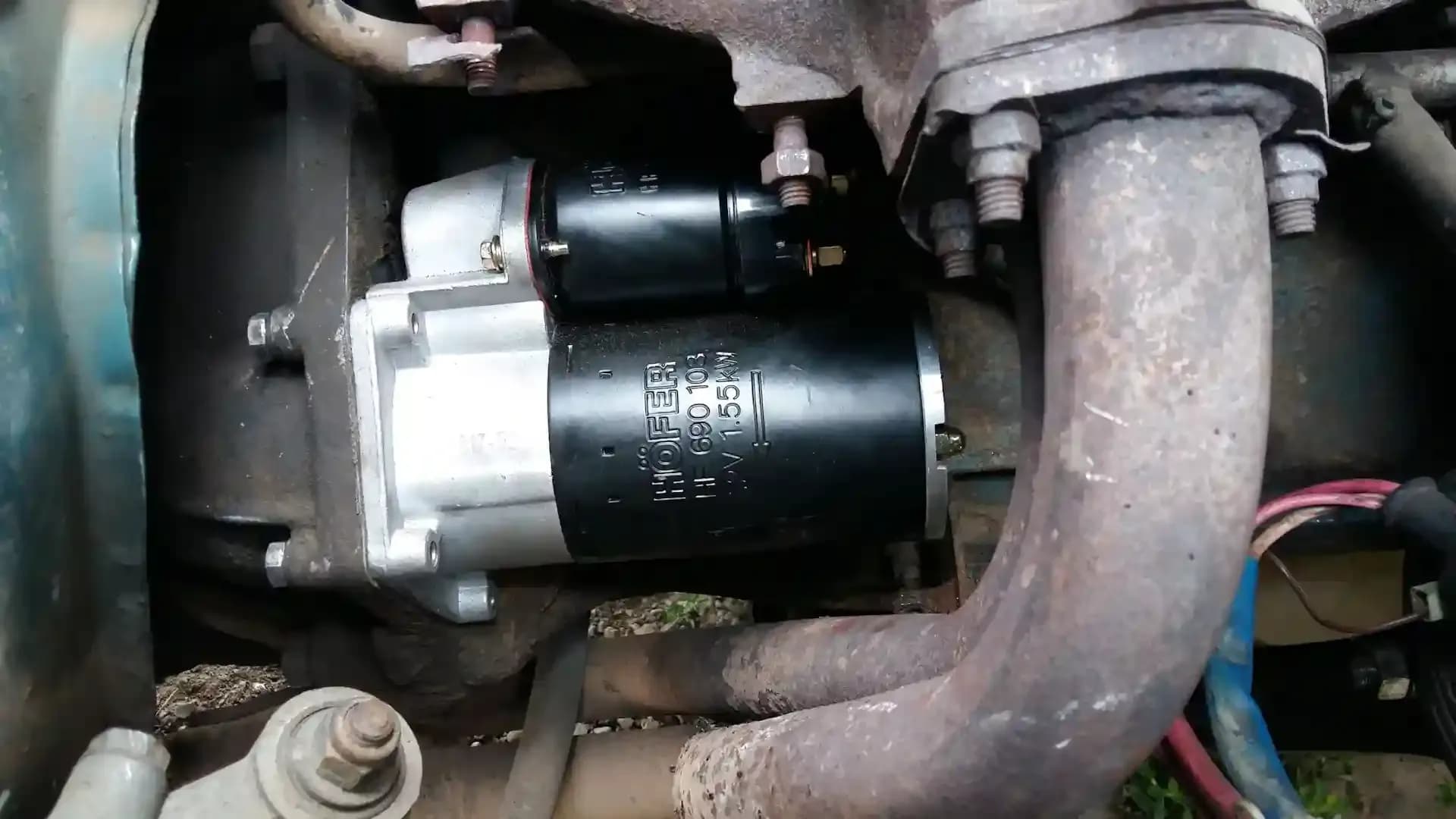
The starter motor is an electric motor that cranks the engine when you turn the key or press the start button. If it is weak or faulty, the engine may not turn over properly.
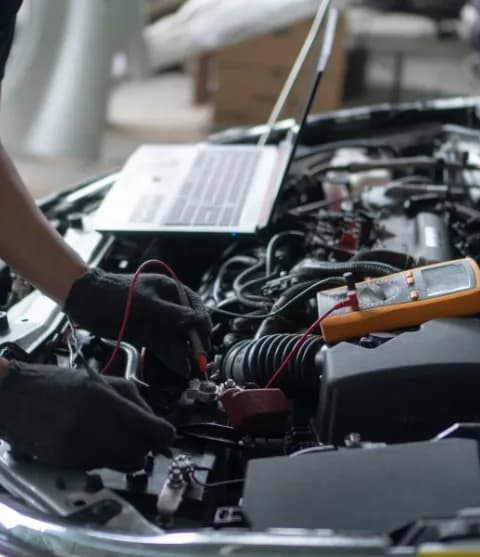
Our technicians inspect the starter motor, battery, ignition signal, solenoid, wiring, and connections before recommending repair or replacement.
Different vehicles use different starter designs. Correct diagnosis helps confirm whether the fault is in the motor, solenoid, wiring, battery, or ignition circuit.
A traditional starter design that uses inertia to engage the pinion with the flywheel before the engine fires.
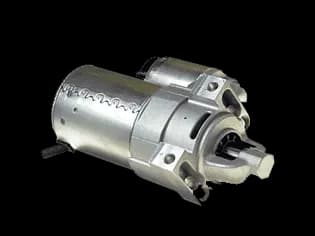
Common on modern vehicles, this type engages the pinion before the motor spins for smoother and more reliable starting.
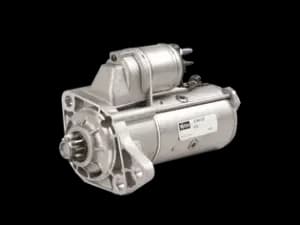
Designed for higher torque demands, these units support larger engines that need stronger cranking power.
Starter faults often appear suddenly, but small symptoms can show up first. If the battery is healthy and the engine still struggles to crank, the starter system needs attention.
A single click, repeated clicking, or no crank at all can point to a worn starter motor, weak connection, or solenoid fault.
If the engine turns slowly even with a healthy battery, the starter may be struggling to deliver enough torque.
Grinding while starting can mean the starter gear is not engaging correctly with the flywheel and should be checked quickly.
Starter motors work under high load every time the vehicle starts. Wear, heat, wiring faults, or contamination can prevent the motor from turning the engine correctly.
Loose or damaged wiring can reduce current flow to the starter and cause weak cranking, intermittent starting, or complete failure.
Corrosion and dirt around terminals can interrupt power delivery and make a good starter behave like a faulty one.
A faulty solenoid may click without engaging the starter motor, leaving the engine unable to crank.
Brushes, bearings, gears, and internal contacts wear over time, especially on vehicles used for frequent short journeys.
Tell us what happens when you turn the key or press the start button.

We inspect the starting circuit and give a clear repair or replacement price.
Our technician repairs the connection issue or fits the correct starter motor.

Drive away with dependable cranking and fewer starting worries.
Pricing depends on your car make, model, access to the starter, and the specific part required. We inspect the vehicle and provide a clear quote before repair or replacement.
Replacement may be recommended if the starter is worn out, draws excessive current, fails solenoid testing, grinds during engagement, or keeps causing no-start symptoms after battery and wiring checks.
A starter fault may not affect driving once the engine is running, but it can leave you stranded when you stop. It is best to repair the issue before it becomes a complete no-start failure.
Our team checks the battery, ignition signal, starter wiring, solenoid, and motor before replacing parts.
Starter motor repair and replacement quotes are explained clearly before work begins.
If your car will not start, contact us and we will advise the most convenient way to get help.
A starter motor is an electric motor that turns the engine when you start the car. It helps begin the combustion process so the engine can run on its own.
Cost depends on the vehicle, part quality, labour access, and whether wiring or battery faults are also present. We inspect first and provide a clear quote.
Normally no. Most modern vehicles need a working starter motor, healthy battery, and correct ignition signal to crank the engine.
The starter motor cranks the engine to start it. The alternator charges the battery and powers electrical systems once the engine is running.
Common causes include worn brushes, damaged solenoids, heat, oil contamination, corrosion, loose wiring, repeated short trips, or age-related wear.
A failing starter can draw excessive current while cranking, but repeated battery drain can also come from alternator faults, battery age, or parasitic electrical loads.

Starting system support