
Send Details
Share your vehicle information and the brake symptoms you have noticed.
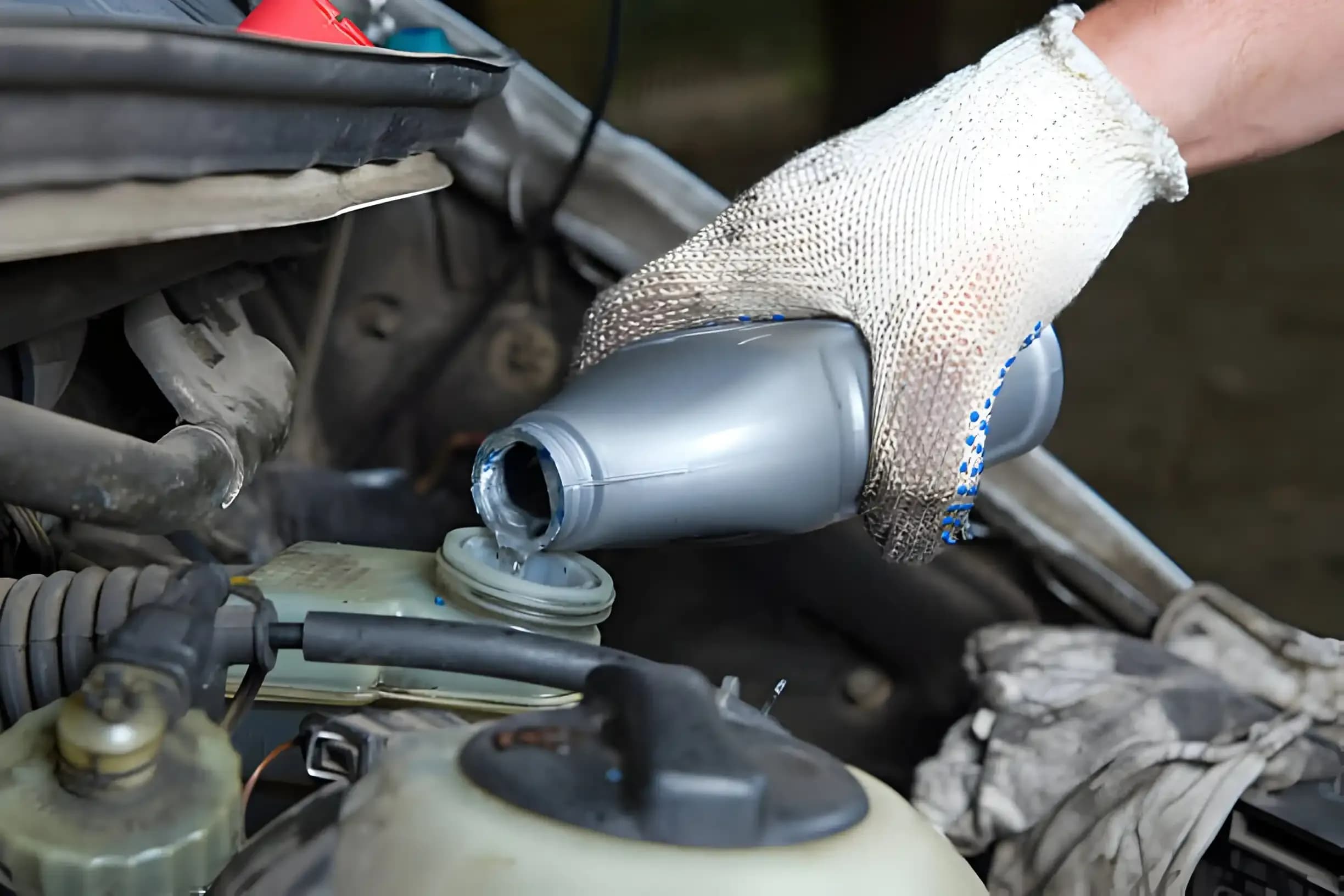
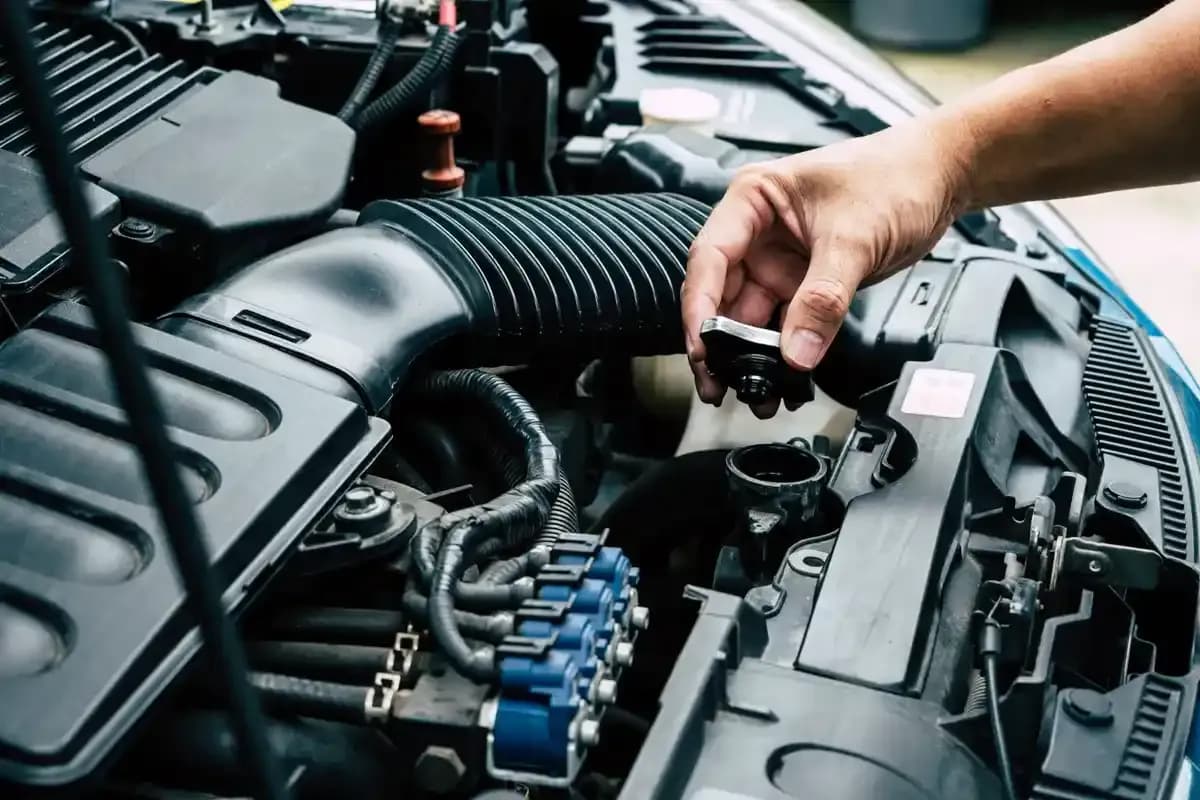
Brake fluid transfers pedal pressure through the hydraulic system. As it ages, moisture and contamination can lower its boiling point and reduce braking consistency, especially in traffic or under heavier braking.
TaylorMOT checks the fluid condition, replaces it with the correct grade, and helps identify any brake issue that may need attention before it becomes a safety concern.
Share your vehicle information and the brake symptoms you have noticed.
We confirm the likely service route and explain the brake-fluid change clearly.
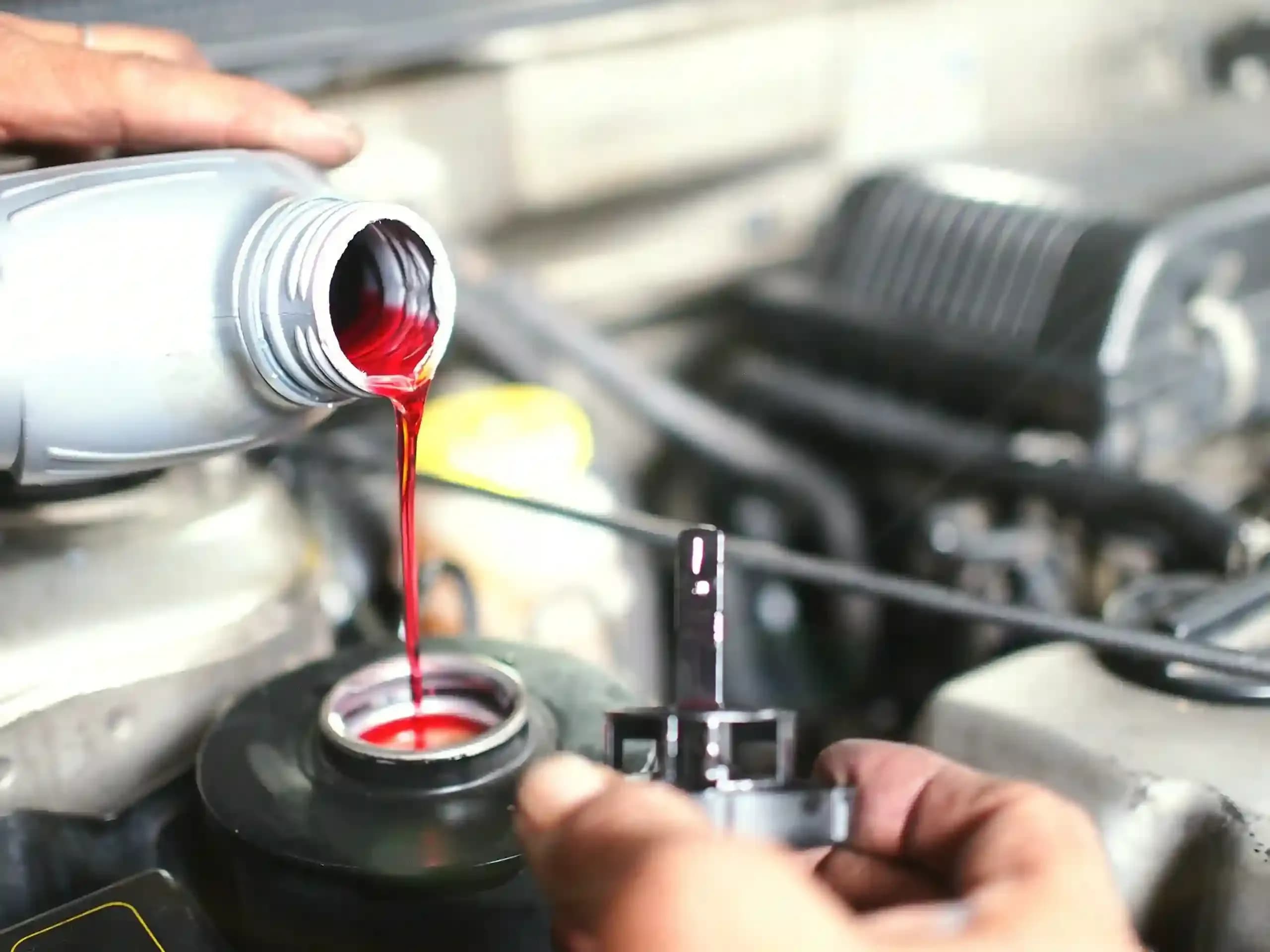
Old fluid is removed and fresh brake fluid is added to the correct specification.
The system is checked for firm pedal feel, visible leaks, and safe operation.
The best interval depends on the vehicle and the manufacturer schedule. Many cars need brake-fluid replacement around every two years, but symptoms can appear sooner if the fluid is contaminated or there is a leak.
If braking feels different, the reservoir level drops, or a warning appears, arrange a check before continuing to rely on the vehicle every day.
Brake-fluid replacement is a precision service because the hydraulic system must remain clean and free from trapped air. Our process is built around clear checks, correct fluid, and a firm pedal feel.
The price depends on the vehicle, fluid specification, and whether the brake system needs extra investigation. We confirm the service scope before work starts, so the cost is clear.
Share your registration or vehicle details and our team will advise the right brake-fluid option for your car.
We inspect the brake-fluid condition and related warning signs before recommending replacement.
The replacement fluid is matched to the vehicle specification for reliable brake performance.
Most brake-fluid services are handled promptly, with clear advice if extra brake work is needed.
Yes. Brake fluid absorbs moisture over time, which can reduce braking performance and make the system less reliable under heat and pressure.
Many vehicles require brake-fluid replacement around every two years, but the exact timing depends on the manufacturer guidance and fluid condition.
It is not wise to ignore old or contaminated brake fluid. If the pedal feels soft or a warning light appears, book an inspection as soon as possible.
A straightforward brake-fluid change is usually a short workshop visit, although extra time may be needed if leaks, seized bleed points, or other brake faults are found.