
Share Details
Send your vehicle information and any overheating or coolant-loss symptoms.
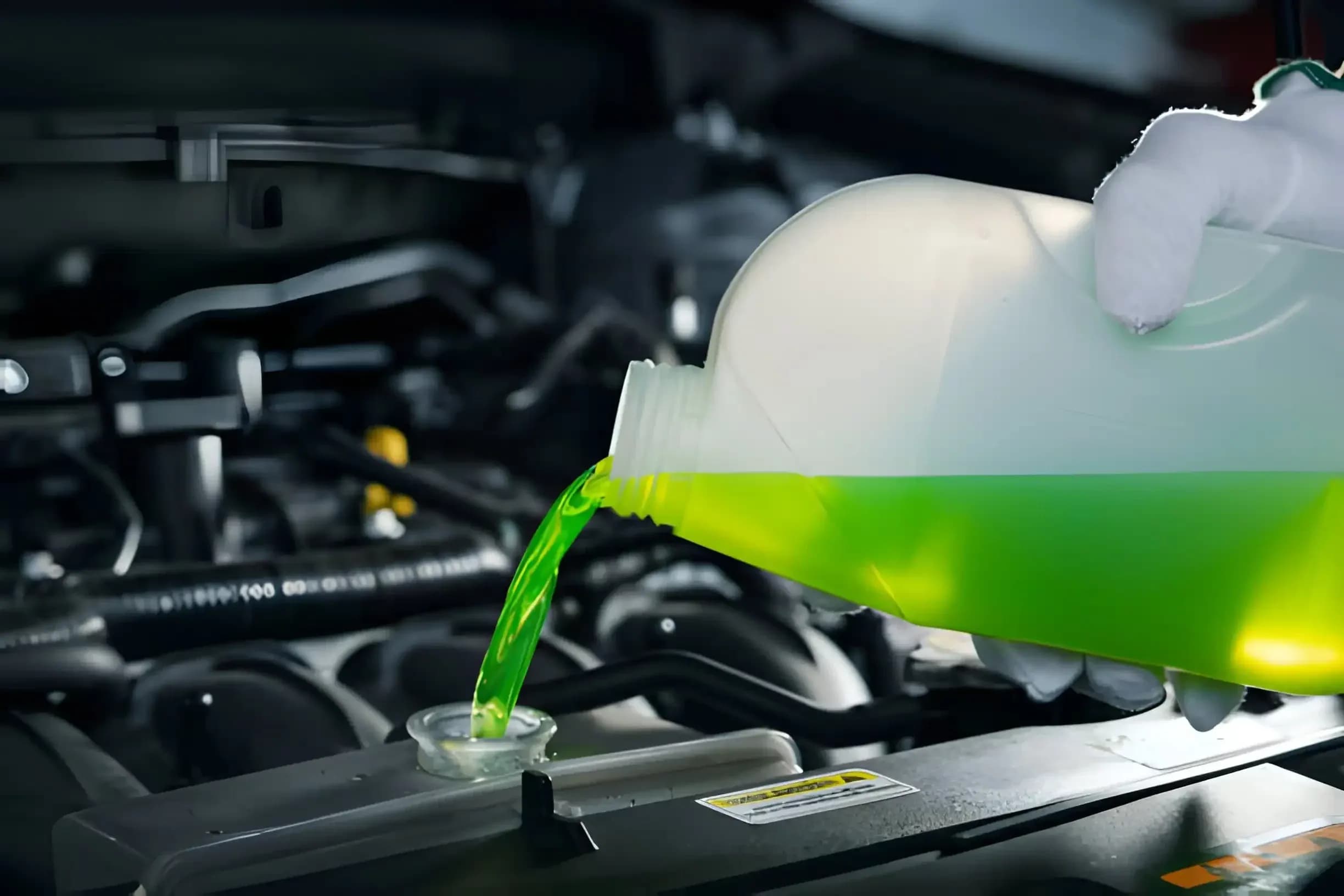
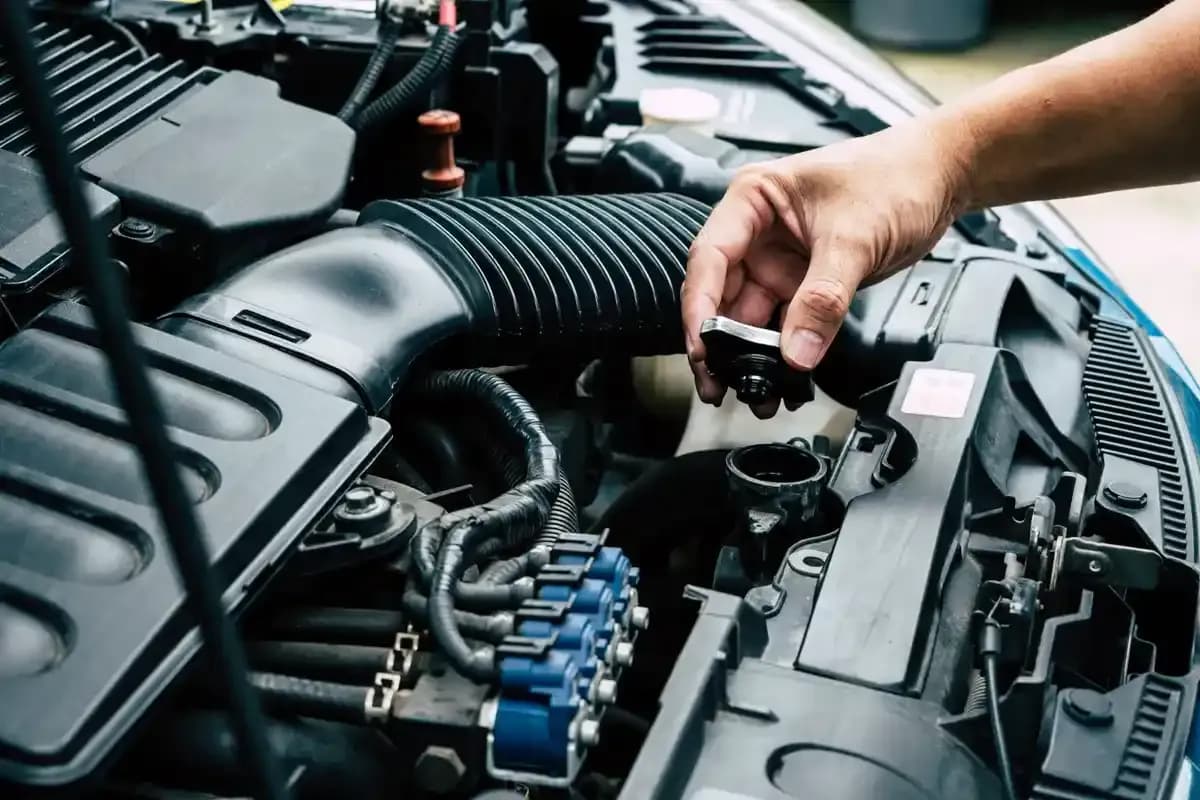
Engine coolant controls heat, protects against corrosion, and supports the radiator, water pump, thermostat, and hoses. When coolant becomes weak or contaminated, the engine can run hotter than it should.
TaylorMOT checks your coolant level and condition, replaces it with the correct type, and looks for signs that the wider cooling system needs attention.
Send your vehicle information and any overheating or coolant-loss symptoms.

We confirm the likely coolant service and explain the work before booking.
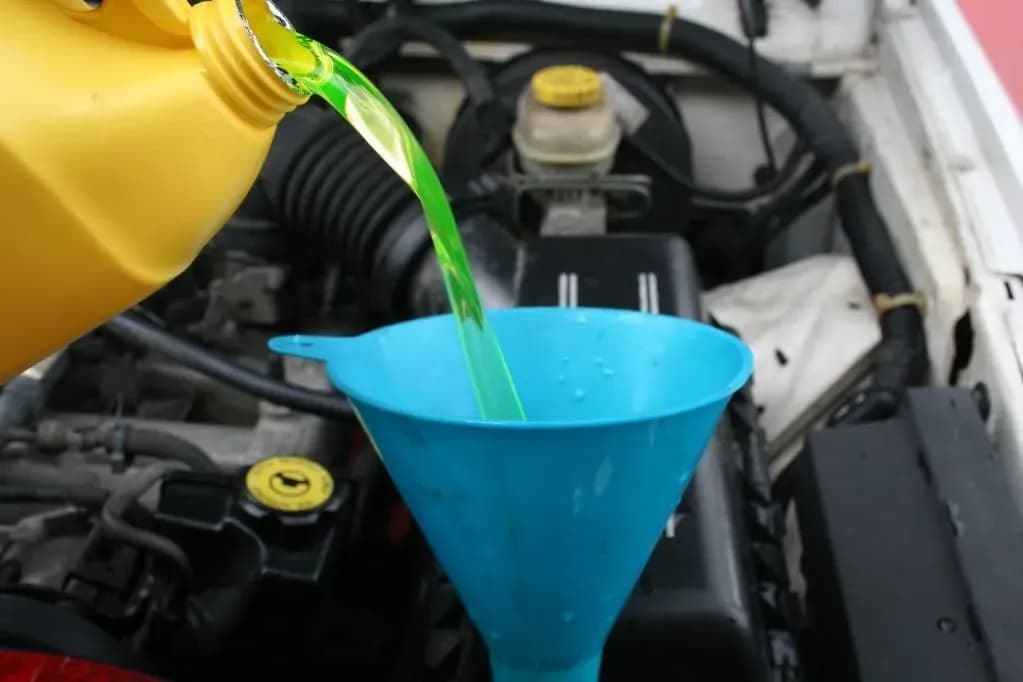
Old coolant is drained where required and the system is refilled with the right type.

We check circulation, visible leaks, and temperature behaviour before handover.
Coolant should be checked regularly and replaced when it is old, dirty, diluted, or no longer protecting the system properly. The correct interval depends on your vehicle and coolant type.
If the engine is running hot, coolant keeps disappearing, or the heater behaves strangely, it is time to arrange a cooling-system inspection.
Coolant does more than manage temperature. It also helps protect key parts from corrosion, deposits, and poor heat transfer.
Contaminated coolant can reduce pump life and affect circulation through the engine.
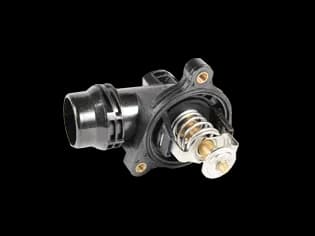
A sticking thermostat can stop coolant from moving correctly and cause overheating.
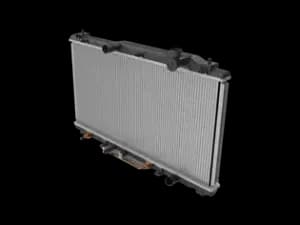
Blocked or leaking radiators reduce cooling efficiency and raise engine temperature.
Our coolant service is designed to refresh the cooling system and identify obvious issues before they lead to overheating or component failure.
The price depends on the coolant type, the amount required, the condition of the system, and whether a flush or extra fault check is needed. We confirm the scope before starting.
Share your registration or vehicle details and our team will advise the correct coolant service for your car.
We match the coolant type to the vehicle, helping protect the engine and cooling system.
Our technicians check obvious leak points, circulation, and temperature behaviour.
If another cooling part needs attention, we explain the issue before extra work begins.
Low coolant can allow the engine to run too hot, which may lead to overheating, poor heater performance, warning lights, or serious engine damage if ignored.
Water can help in an emergency, but it does not provide the same corrosion, boiling, and freezing protection as the correct coolant mixture.
Coolant is usually a mix of antifreeze concentrate and water. The correct blend protects against heat, freezing, corrosion, and deposits.
No. Coolant type depends on the vehicle specification. Using the wrong type can reduce protection or cause compatibility problems.