
Quick Diagnosis
We inspect the vehicle and trace the source of the oil leak.
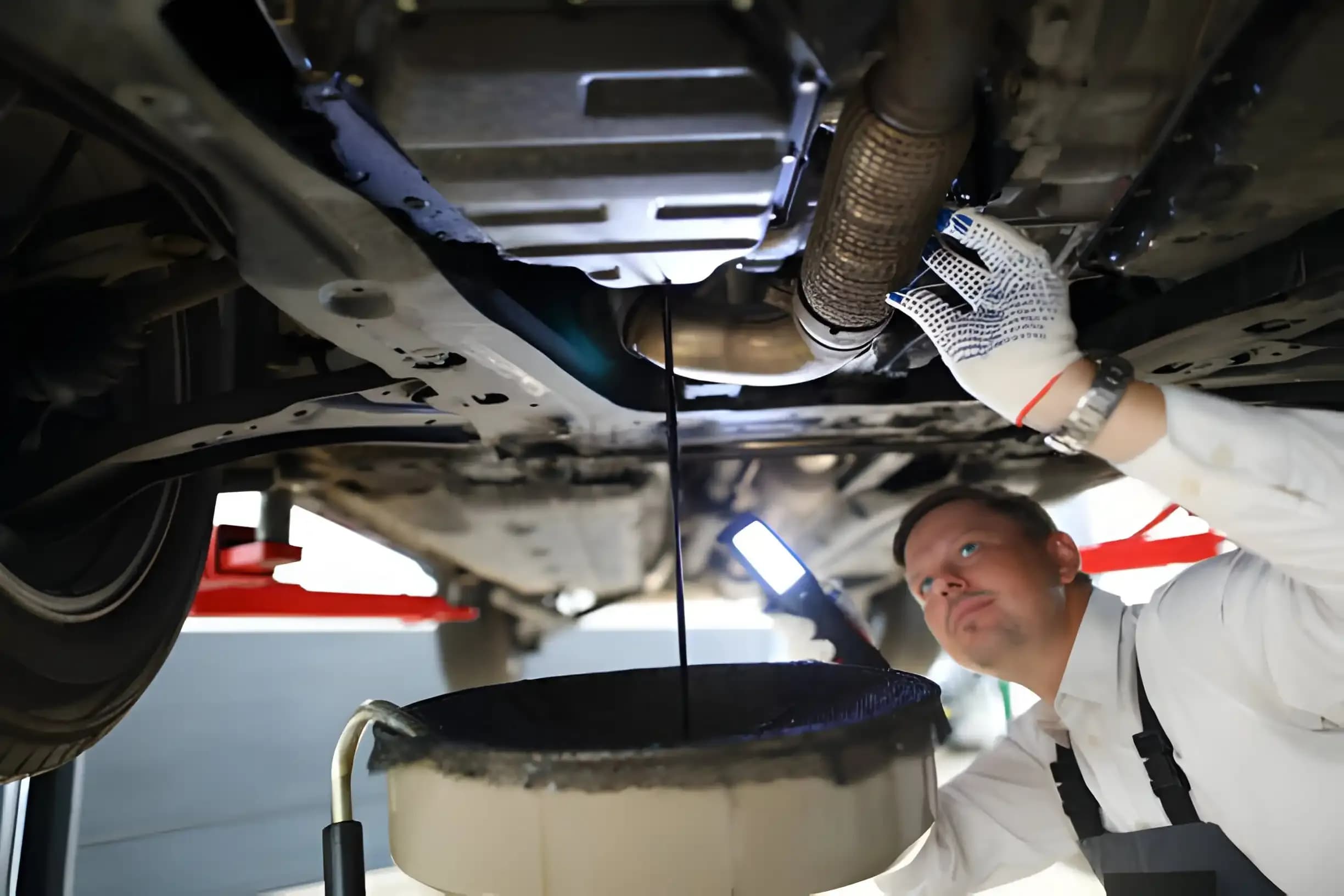

Engine oil lubricates moving parts and helps manage heat. When oil leaks, the engine can run low on protection, nearby rubber parts can deteriorate, and repair costs can rise quickly.
TaylorMOT checks common leak points, identifies the likely source, and repairs the affected gasket, seal, plug, or part where needed.
We inspect the vehicle and trace the source of the oil leak.

You get practical repair advice before replacement work begins.
Faulty seals, gaskets, plugs, or oil-pan parts are repaired where needed.

We test the repair and check the oil level before handover.
Oil leaks can come from a simple drain plug, a filter seal, a pressure sensor, a gasket, or a worn rotating seal. Finding the correct source is the key to a lasting repair.
Contact TaylorMOT to repair the faulty components that commonly cause oil leaks and protect your engine from avoidable damage.
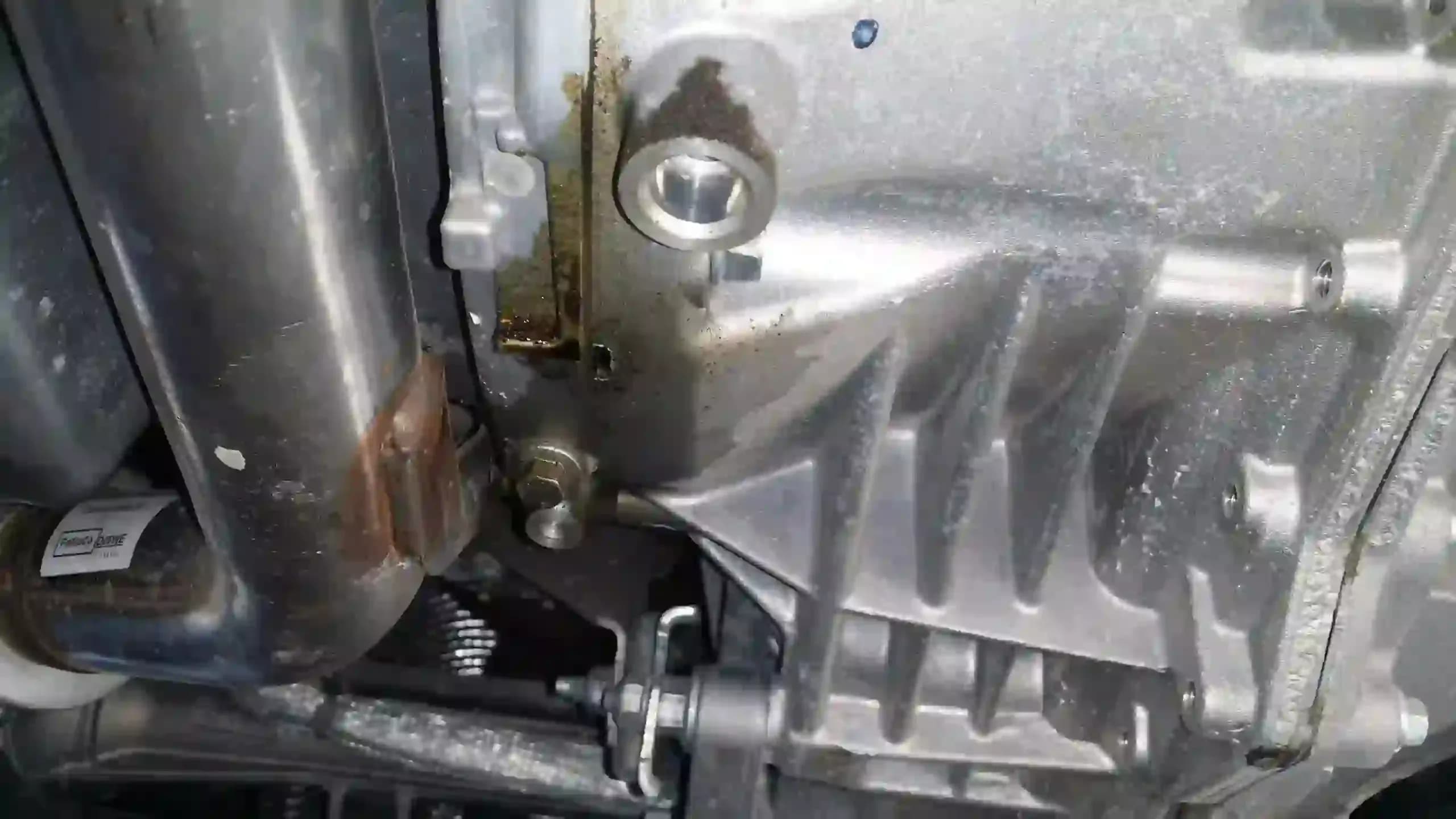
Impact damage, loose bolts, worn gaskets, or a damaged drain plug can allow oil to seep from the lower engine area.
A worn valve-cover gasket can leak oil down the engine, often creating a burning smell or visible wet patches.
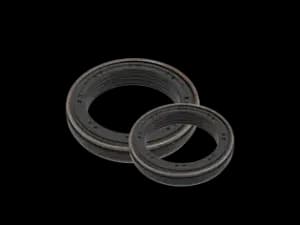
Failed rotating seals can create persistent leaks and should be checked before oil loss leads to engine damage.
Our service focuses on the likely leak source, correct replacement parts, and practical checks before the vehicle leaves the workshop.
Regular oil changes, correct oil grade, clean filter fitting, and timely inspections help reduce the chance of repeated oil leaks.
We look for the source instead of guessing, so the repair targets the real problem.
Our technicians repair common leak points with suitable gaskets, seals, plugs, and parts.
We check the oil level and visible leak area after repair before returning the vehicle.
Yes. Oil leaks can reduce lubrication, create burning smells, damage nearby parts, and lead to costly engine damage if ignored.
It is best to book a check quickly. A small leak can become worse, and driving with low oil can damage the engine.
Common causes include worn gaskets, damaged seals, loose drain plugs, oil-filter issues, cracked oil pans, and faulty oil-pressure sensors.
Yes. If enough oil is lost, the engine may run with poor lubrication, overheat, seize, or suffer serious internal wear.
It can. Oil leaks may increase friction, heat, and engine strain, which can affect efficiency and performance.
Any visible leak should be checked. A steady drip, oil smell, warning light, or falling oil level needs prompt attention.
Low oil or oil contamination can increase engine friction and heat, which may reduce performance and reliability.
Engine oil is usually amber, brown, or black. If the fluid is red, green, pink, or clear, it may be a different vehicle fluid.